The Creature from Norwalk Ohio

Today CNN is reporting an outbreak of norovirus on a Royal Caribbean cruise ship. Thus far, 66 individuals have been infected.  

This virus, named for the city in which it was first discovered (Norwalk, OH), is the most common cause of acute gastroenteritis, colloquially known as "stomach flu", in the US, where it causes over 20 million infections annually.

Norovirus outbreaks on cruise ships (and in other locales, including national parks) are nothing new but pose huge societal problems because of the disruptions that ensue upon their arrival. When norovirus strikes--this, I know from personal experience--24 hours of so of one's life are going to be spent in the bathroom. 

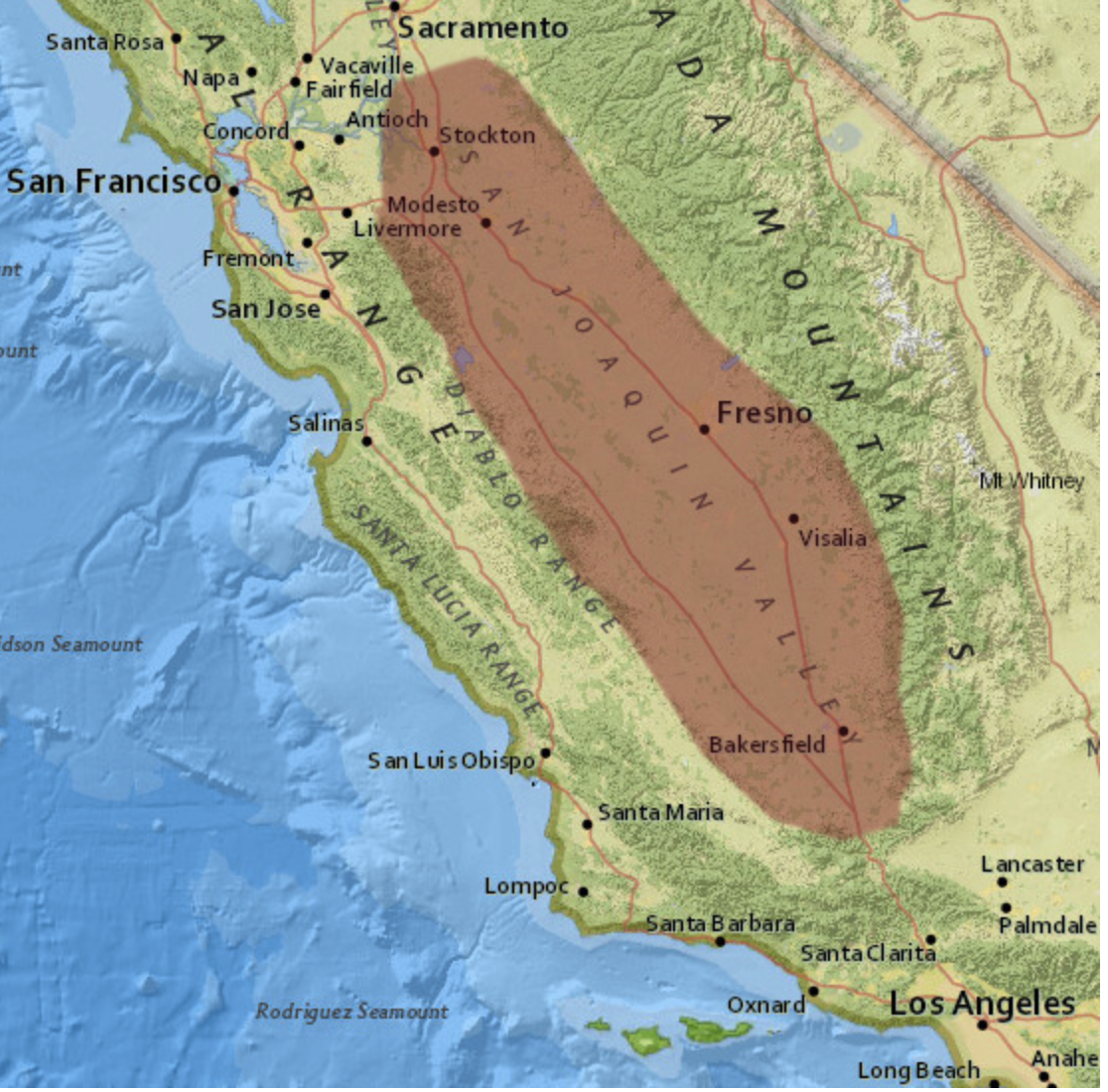
While the diarrhea is bad, it is the violent vomiting--which often seizes one suddenly--that, to me, is the worst aspect of this dreaded disease. The vomitus (what is vomited up) is highly infectious and hand washing with alcohol-based substances alone may not be enough to deactivate the virus.

There are no vaccines or anti-viral treatments for norovirus, though anti-nausea medications (e.g. Zofran) can be lifesavers. 

Too bad there isn't a special "vomit powder", similar to what the maintenance staff would sprinkle on our vomit in school, for this despised virus. 
Gag Me With A Fungus: (San Joaquin) Valley Girls

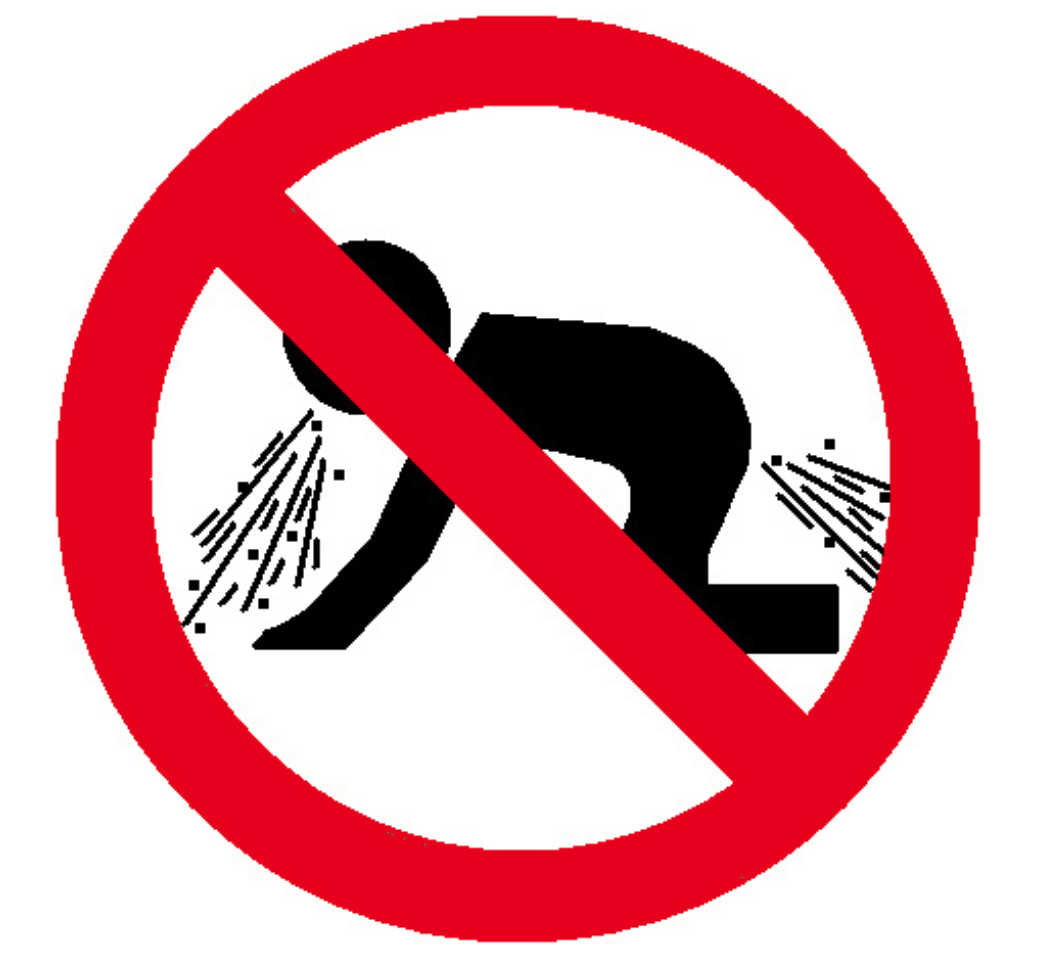
I was happily surprised to find a long and informative article by Dana Goodyear on Cocciodiomycosis in the January 20, 2014 issue of The New Yorker. The piece is focused on the impact this infectious disease has had on California's San Joaquin Valley from which its second name, Valley Fever, is derived. 

This disease, caused by the fungi Coccidioides immitis, can cause a wide spectrum of illness ranging from asymptomatic infection to pneumonia to fulminant life threatening presentations, including meningitis. Goodyear importantly mentions the fact that the organism was considered as a potential bioweapon and was, until recently, considered a Select Agent--a designation that prompts a high degree of oversight by the government. 

I find several aspects of Cocciodiomycosis to be fascinating including its temporal association with earthquakes (which kicks up its spores), the varied symptoms elicited, and the predisposition Fillipinos have for severe cases.

Living and practicing medicine in Pittsburgh (The Mon and Ohio River Valleys), Cocciodiomycosis and the San Joaquin Valley are thousands of miles of away however, because patients travel, I have considered the diagnosis in select patients.


Snip20140117_6.png

Don't Get Too Wound Up About Synthetic Biology

I just finished the book The Windup Girl  by Paolo Bacigalupi a dystopian novel set in the future.  The book was recommended by a physician colleague who knew of my interest in bioterrorism and plagues. 

The story of The Windup Girl revolves around agricultural company executives who produce engineered foods ("calorie men"), corrupt government officials, and an engineered human (aka a windup girl) winding there ways through a futuristic Thailand.

The book mentions past plagues that have destroyed crops (e.g. blister rust, cibiscosis) and infected humans leading "generippers" to utilize the tools of synthetic biology to devise new organisms (including humans) resistant to these pathogens. An outbreak of a new disease also transpires leading government officials to take action in a village in which victims resided. 

I found the book to be engaging despite the fact that, at times, it was reminiscent of Frankenstein in its depiction of "excesses" of industrial society and skewed portrayal of the promise of synthetic biology.

However, bioterrorism directed at agriculture is not fictional and is a major concern. Not only can agricultural products be used as vehicles to deliver noxious substances (e.g. mercury injected into citrus fruits), but contaminating them with specific pathogens can lead to food shortages and major economic disruptions.

The promise of crops, animals, and--eventually--humans impervious to infection would be an unequivocal life-enhancing utopian development.

While some may see these developments leading to a dystopian future, I believe it is fictional.

Snip20140116_5.png

Finding Needles in Haystacks

The journal Emerging Infectious Diseases recently published a case report of a novel virus that infected a wildlife biologist working with bats in Uganda and South Sudan. The patient became ill upon return to the US and her symptoms--fever, myalgias (muscle pains), arthralgias (joint pain), and rash--were severe enough to warrant hospitalization. As part of the workup of her illness, samples of her blood were sent to CDC where a novel paramyxovirus, related to known bat viruses, was isolated. It has been named Sosuga virus. 

A couple of elements of the case really highlight where zebras are best found (i.e. novel viruses):

  • The case patient was a wildlife biologist, someone who operates at the interface of humans and animals. 
  • The case patient travelled to Uganda and South Sudan, areas that are considered hot spots for novel pathogens given the geographic diversity of the flora, fauna, and wildlife found there. 
  • As bats are one of the most populous mammal species on the planet, it is not a surprise that they are a major source of zoonotic infections. As such, exposure to bats is a known risk factor for disease acquisition. Several emerging infectious diseases are linked to bats (SARS, Hendravirus, Nipah virus, Ebola, and Marburg) as well as classical diseases such as rabies. 
  • Hendra and Nipah viruses, both acquired from bats, are also paramyxoviruses. 

This case exemplifies the value of targeting pathogen discovery to the highest yield venues, making the needle in the haystack a little more visible.

Organizing Chaos: Hospital Evacuation During Hurricane Sandy

The results of a study my colleagues and I conducted on the topic of the hospital evacuations that occurred during Hurricane Sandy in New York City was just published in Annals of Emergency Medicine. Our study was focused on understanding the impact that the evacuations of Bellevue and NYU Langone had on the hospitals tasked with absorbing the displaced patients and the subsequent patient surge caused by the months-long absence of these 2 major Manhattan medical centers.

Some of our important findings included:

  • Hospital emergency managers viewed themselves as part of a coalition and act accordingly (i.e. turn to each other for help)
  • Moving complex patients at tertiary centers required a lot of communication between physicians adept at managing such patients
  • Utilizing out-of-state ambulances (as was done when FEMA-contracted ambulances were brought in) posed logistical problems because of unfamiliarity with the city and its hospitals
  • Planning for special populations is crucial (e.g. dialysis patients, methadone patients)
  • Sustained surge required hospitals to remove slack in the system and convert open-space into patient care areas
  • Credentialing of displaced physicians was challenging, but feasible
  • Hurricane Irene conditioned the response

Our hope is that the study will help inform how hospitals plan for evacuations and other catastrophic health events in the future and serve as the basis for making an unavoidably chaotic process as smooth as possible. 

Snip20140114_2.png